
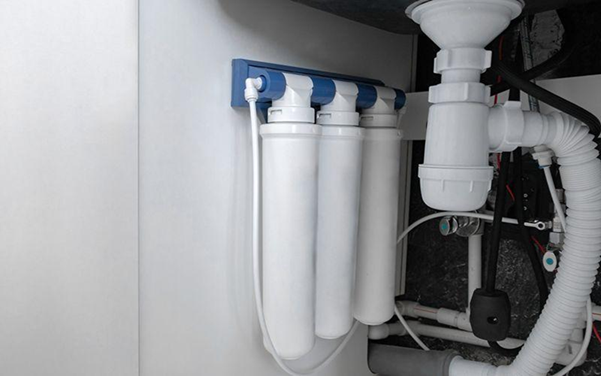
Many Singapore households are becoming more intentional about their water systems, particularly as more people prioritise safety, convenience, and taste in everyday consumption. The increased interest in an undersink water filter setup in Singapore has become a straightforward way to improve drinking water without modifying the kitchen’s appearance. While filtration systems remain the foundation of this conversation, the rise of consumer-friendly water testing equipment has encouraged more households to take a hands-on approach to understanding what flows from their taps.
A Visual Guide to Better Water
Understanding how an undersink water filter system in Singapore works becomes much easier when people visualise the process step by step. Most systems begin with water entering through the main pipeline before moving into a pre-filtration stage designed to trap larger sediments. Seeing this first stage helps homeowners realise that even clear water may contain unseen particles.
The next stage often involves activated carbon, which is known for reducing chlorine taste, odour, and chemical compounds. This is where many households notice the most visible difference: water tastes smoother and becomes more consistent between washes, drinks, and cooking processes. Understanding this visually reinforces why many choose undersink models over jug filters or countertop units.
Some systems include an additional filtration layer, such as ultrafiltration or specialised cartridges. These can address finer particles that are not always obvious to the eye but may influence water clarity or odour. When households can imagine how each layer traps different contaminants, it becomes easier to justify the investment.
This is also where water testing equipment plays a central role. These tools turn an invisible process into something measurable and observable. By comparing readings before installation and after filtration, homeowners can see the impact of their system rather than guessing its effectiveness. Simple test strips or more advanced digital tools help them monitor clarity, pH, dissolved particles, and other markers of quality.
Why Under-the-Sink Systems Are Gaining Popularity
Aside from their compact footprint, undersink water filter systems in Singapore appeal to those who prefer an uncluttered countertop. More homeowners are also choosing these systems because they stay out of sight yet deliver consistent results.
Consumers are increasingly looking for quiet, efficient systems that do not disrupt water flow. Undersink models are engineered to maintain pressure even when multiple appliances are in use.
Singapore’s water regulations establish a strong baseline of safety, but point-of-use filtration can enhance taste, odour, and perceived safety, particularly when supported by reliable testing methods. This reinforces why pairing filtration with water testing equipment helps households create a more personalised water experience.
The Role of Testing Tools in Everyday Decision-Making
More households are using water testing equipment as a practical tool for monitoring quality and understanding changes over time. Visual comparison becomes essential when users see differences in turbidity, dissolved solids, or even pH levels after installing an undersink water filter system in Singapore.
Testing helps households identify when cartridges need replacement rather than relying solely on fixed timelines. Instead of changing filters prematurely or ignoring early decline, families can make decisions supported by actual data. In a way, testing equipment transforms maintenance from guesswork into a simple, visual routine.
Businesses such as cafés, clinics, and research facilities also rely on these tools because consistency matters. In food establishments, filtration contributes to taste stability. In clinics, water clarity and safety can directly affect equipment performance. Having accurate readings supports operational reliability and reduces long-term costs.
Why Visual Understanding Leads to Better Choices
People make better decisions when they can see or imagine how things work. That’s why a visual guide to an undersink water filter system in Singapore helps households avoid confusion and overspending. When families understand how each stage contributes to overall clarity, they can choose systems that match their needs rather than opting for complex setups intended for different environments.
Pairing this understanding with water testing equipment allows them to verify improvements instantly. Whether they test for chlorine, sediment, or overall dissolved solids, the visual results reinforce confidence in the system they installed. It becomes easier to explain to family members, justify costs, and plan long-term maintenance.
Households that take this visual-and-data-driven approach often gain more value from their filters. They align performance expectations with factual results and avoid unnecessary upgrades. Ultimately, clarity in understanding leads to clarity in water consumption.
Conclusion
Water quality decisions are easier to make when supported by visuals and measurable data. An undersink water filter in Singapore provides a stable and discreet solution for everyday use. Water testing equipment helps families see the impact of filtration and schedule maintenance confidently. By understanding how filtration layers work, visualising the flow of water, and monitoring quality with simple tools, households can make informed choices that fit their lifestyle and expectations.
Suppose you’re interested in learning how your water changes with filtration? Visit ANSAC Technology today.