
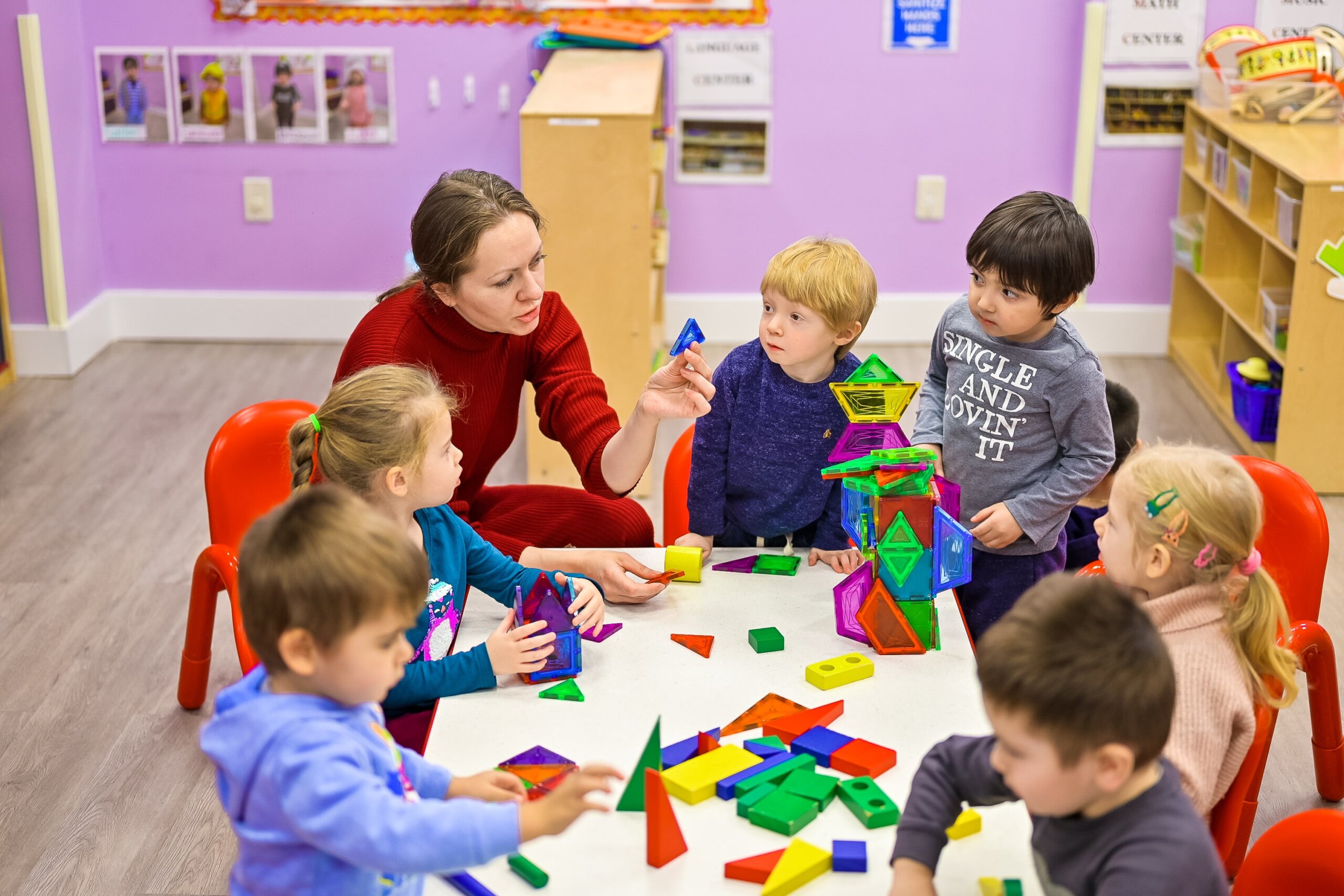
Young children learn best through active play. Interactive learning creates lively classroom moments. Small minds explore ideas through touch and movement. Curiosity grows when lessons feel like games. But guided play also shapes early thinking skills. Teachers often design tasks that require careful thought and patient discovery during playful classroom exploration. These activities invite children to notice patterns and simple relationships. Problem solving begins with tiny discoveries.
Games Encourage Thoughtful Decisions
Games transform lessons into exciting challenges. Young learners enjoy solving playful tasks. Bright materials capture careful attention. Teachers introduce puzzles that demand observation and thoughtful action from curious young learners. So, every game becomes a gentle thinking exercise. Children predict results before moving pieces. Each guess invites reflection and new attempts. Classroom games also build confidence gradually. Success appears through persistence and careful choices. Sometimes teachers include problem solving activities for kindergarten students that guide learners through simple logical steps. Interactive digital adventures also inspire curiosity and persistence during playful missions designed for young explorers. Creative platforms like Mission.IO create immersive learning moments.
Social Interaction Strengthens Thinking
Children learn through shared discovery. Group activities create meaningful learning moments. Classmates observe each other closely. The classroom becomes a space where ideas move between curious minds during playful collaboration. But teamwork also teaches listening and patience. Students discuss choices before taking action. Shared puzzles encourage careful reasoning. Children explain thoughts during simple discussions. These moments strengthen communication skills. Guided group challenges also help shy learners participate in joyful exploration with peers. Platforms such as Mission.IO sometimes support teamwork through digital adventure missions. These experiences blend storytelling and shared problem solving.
Technology Adds New Learning Paths
Digital learning tools extend classroom possibilities. Interactive technology captures attention quickly. Animated tasks invite playful thinking. Teachers use digital missions that guide learners through imaginative problem-based story adventures. Now children explore virtual worlds while practicing reasoning and observation. Each mission offers clues and choices. Learners test ideas and adjust plans. Technology encourages curiosity through exploration. Digital puzzles often adapt to each learner pace and thinking style during playful discovery. Mission.IO offers creative mission driven environments designed to nurture curiosity and teamwork. These experiences connect storytelling with guided problem-solving journeys. Children feel proud after completing each mission.
Conclusion
Interactive learning shapes strong early thinkers. Playful challenges encourage curiosity and observation. Young learners discover patterns through exploration. But thoughtful guidance transforms simple games into meaningful learning experiences for growing minds. Interactive missions nurture persistence and reflection. Children learn that mistakes lead to new understanding. Collaborative tasks strengthen reasoning and communication. Digital adventures sometimes extend classroom imagination and exploration. These joyful experiences build confidence and independence. Over time young learners begin solving problems with patience and curiosity. Interactive classrooms therefore prepare children for lifelong thinking and discovery.