For warehouse managers overseeing multiple facilities, energy costs can become difficult to control without clear visibility. When usage data is delayed or fragmented, opportunities to reduce waste are often missed. Real-time energy tracking provides the clarity needed to manage consumption across sites more effectively and make informed operational decisions.
Establish a Centralized Data Strategy
Tracking energy usage across multiple locations starts with centralization. Each site may already collect utility data, but when that information lives in separate systems or spreadsheets, comparisons become time-consuming and unreliable. A centralized energy management platform allows data from all facilities to be collected, standardized, and viewed in one place. This creates consistency in reporting and ensures that metrics are comparable across sites.
Use Smart Metering for Accurate Data
Smart meters are essential for real-time tracking. Unlike traditional meters that provide delayed or estimated readings, smart meters capture usage at frequent intervals and transmit data automatically. Installing these meters at key points, such as main feeds, high-load equipment, or critical zones, helps pinpoint where energy is being consumed. This level of detail supports faster responses when usage spikes unexpectedly.
Integrate Submetering for Deeper Insight
Submetering adds another layer of visibility by breaking down consumption within each facility. Warehouses often have varied energy demands across lighting, material handling equipment, climate control, and office areas. Submeters make it possible to see which systems are driving costs and how usage patterns differ by shift or operational activity. When combined with centralized software, this data becomes actionable rather than overwhelming.
Leverage Automation and Controls
Automation plays an important role in maintaining consistent energy performance across sites. Industrial automation systems can automatically adjust equipment operation, lighting schedules, or temperature settings based on predefined rules or real-time conditions. This reduces reliance on manual intervention and helps maintain energy discipline, especially in facilities that operate around the clock or across different time zones.
Standardize Metrics and Benchmarks
Comparing energy performance across locations requires standardized metrics. Establish clear benchmarks such as energy use per square foot, per pallet moved, or per operating hour. These metrics allow managers to identify which sites are performing efficiently and which may require attention. Standardization also supports fair performance reviews and targeted improvement plans.
Enable Real-Time Alerts and Reporting
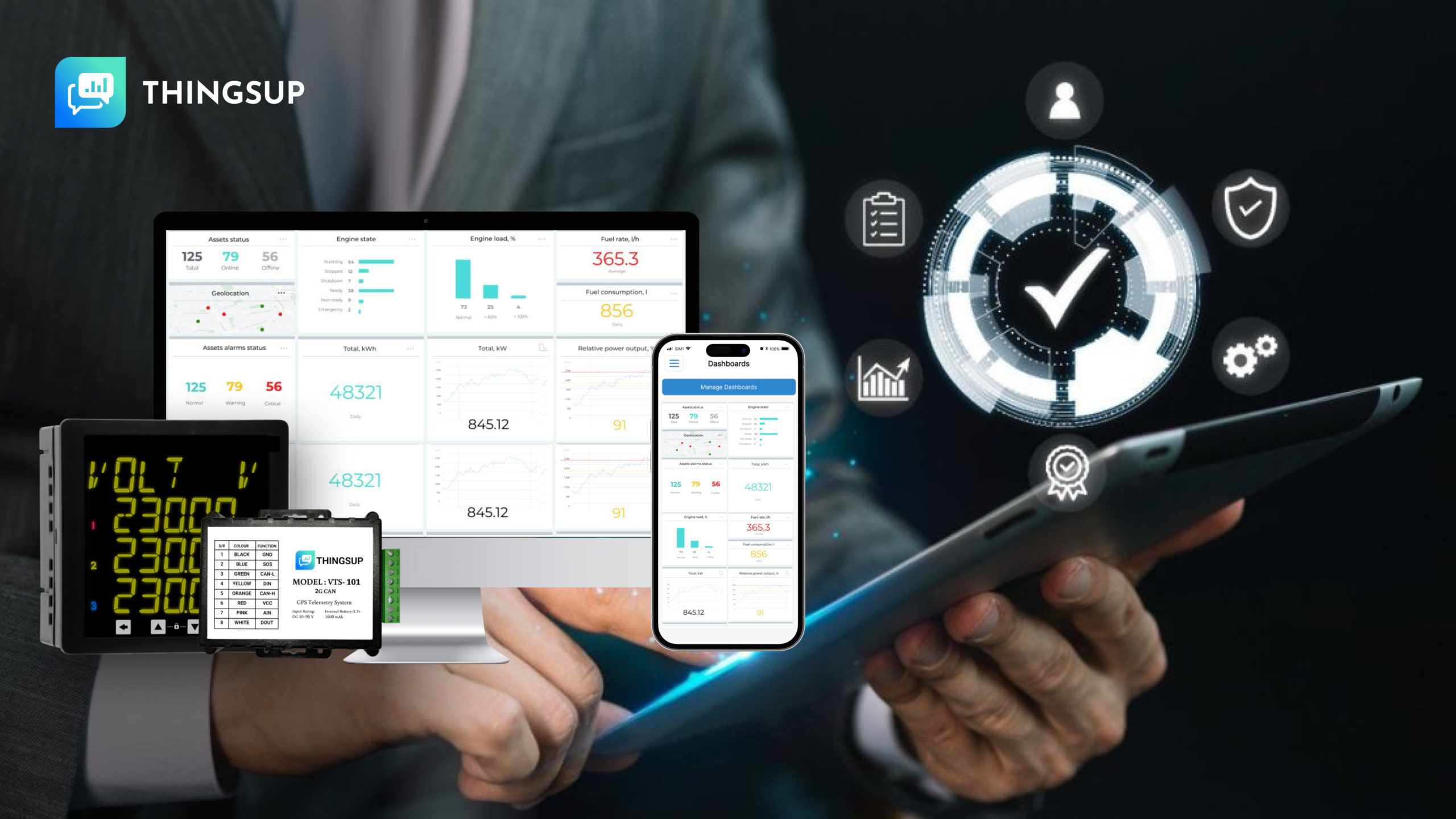
Real-time tracking becomes most valuable when paired with alerts. Automated notifications can flag abnormal usage, equipment running outside scheduled hours, or sudden increases in demand. Instead of reviewing reports after the fact, managers can respond immediately. Dashboards that display live data and trends further support quick decision-making and ongoing oversight.
Train Teams to Use the Data
Access to real-time data is only effective when teams understand how to use it. Facility managers, maintenance staff, and supervisors should be trained to interpret dashboards and respond appropriately to alerts. Clear guidelines on who takes action and when prevent delays and ensure that insights lead to measurable improvements.
Support Long-Term Planning
Beyond daily monitoring, real-time energy tracking informs long-term planning. Historical data reveals seasonal patterns, the impact of operational changes, and opportunities for efficiency projects. Over time, this information supports better budgeting, more accurate forecasting, and smarter investment decisions without requiring immediate infrastructure upgrades.
Consistent Visibility Drives Control
Tracking energy usage across multiple sites in real time gives warehouse managers the visibility needed to control costs and improve efficiency. Through centralized platforms, smart metering, submetering, and industrial automation, organizations can turn raw data into practical insight. With standardized metrics and trained teams, real-time tracking becomes a powerful tool for sustained energy management.