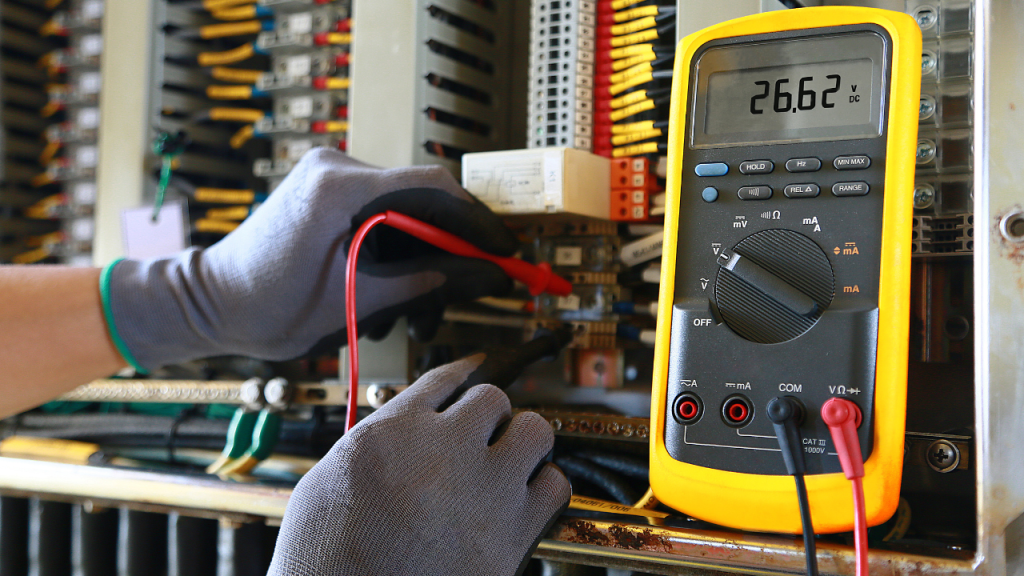
Electrical maintenance is, in many ways, the unsung backbone of every thriving commercial building. Consider what happens in nature when an organism neglects its internal systems: the consequences are not merely inconvenient, they are catastrophic. The same logic applies to the electrical infrastructure of office towers, shopping malls, and factories across Singapore. When buildings are cared for consistently and methodically, they function reliably for decades. When they are not, the failures can be sudden, costly, and dangerous.
Why Prevention Is the Smarter Strategy
Civilisations throughout history have always fared better when they planned ahead rather than reacted to crises. Reactive electrical maintenance, fixing things only after they break, may appear cost-effective in the short term. In practice, however, unplanned outages, emergency repair fees, regulatory penalties, and the very real risk of electrical fire all accumulate from neglected systems.
Singapore’s Energy Market Authority (EMA) recognises this reality clearly. Under the Electricity Act, building owners and operators are required to engage Licensed Electrical Workers (LEWs) to oversee the safe operation of their electrical installations. This is not mere administrative formality. It is a codified acknowledgment that structured, professional electrical maintenance work prevents the kind of failures that cost lives and livelihoods.
The Core Components of Preventive Care
What does effective preventive electrical maintenance actually involve? It is not a single task but a layered system of inspections, tests, and records. At its heart, it includes:
- Regular inspection of switchboards, transformers, and circuit breakers for signs of wear, overheating, or contamination
- Thermal imaging scans to detect hotspots invisible to the naked eye
- Insulation resistance testing to catch cable degradation before it causes faults
- Partial discharge testing on high-voltage switchgear to monitor internal deterioration
- Servicing of protective relays and safety devices to ensure they operate when needed
- Detailed maintenance records aligned with Singapore Standard SS 638, the national code for electrical installations
Each of these tasks functions like a diagnostic test in medicine. Alone, any one of them may catch a problem early. Together, they build a comprehensive picture of a system’s health over time.
Planned Shutdowns: The Surgical Approach
One of the most important, and often most misunderstood, aspects of electrical system maintenance is the planned shutdown. Rather than dreading the temporary loss of power, experienced facility managers understand that a well-organised shutdown is an opportunity. It allows engineers to service equipment safely, replace ageing components, and bring systems up to regulatory standard without the chaos of an emergency.
The EMA’s guidelines require that high-load commercial installations undergo periodic maintenance inspections, typically conducted under the supervision of a qualified LEW. For shopping malls and office buildings, quarterly maintenance cycles are common, with major shutdowns planned annually or biannually depending on system age and condition.
A planned shutdown, executed with precision, is far less disruptive than an unplanned outage. It is the difference between scheduled surgery and an emergency room visit.
What Singapore’s Regulations Require
Singapore operates one of the most structured electrical safety frameworks in the region. The key obligations for building owners and facility managers include:
- Engaging a Licensed Electrical Worker to take charge of electrical installations above 45 kVA
- Maintaining a valid electrical installation licence issued by the EMA for qualifying premises
- Conducting periodic inspections in line with EMA requirements and SS 638 standards
- Reporting electrical accidents or fires to the relevant authorities promptly
- Keeping maintenance logs and inspection records available for regulatory audit
As the EMA states in its guidance: “The owner of an electrical installation must ensure that the installation is maintained in a safe condition.” This obligation does not diminish with the age of a building or the familiarity of its systems. If anything, older installations demand closer attention precisely because their components are more likely to be approaching the end of their useful service life.
Condition Monitoring: Reading the Signals
One of the most significant advances in modern electrical maintenance practice is condition monitoring, which is the use of data from live systems to detect problems before they cause failures. Technologies such as thermal imaging, ultrasonic detection, and dissolved gas analysis in oil-filled transformers give engineers a window into the internal state of equipment without taking it offline.
Think of it as the difference between waiting for a patient to fall ill and regularly checking their vital signs. A building’s electrical infrastructure emits signals constantly through temperature, vibration, and electrical noise. The skill lies in reading those signals correctly and acting on what they reveal before a fault develops into a failure.
Building a Culture of Maintenance
Ultimately, the most sophisticated tools and regulations are only as effective as the culture that surrounds them. Building managers who treat scheduled electrical maintenance as a core operational priority, rather than a box-ticking exercise, consistently report fewer outages, lower long-term costs, and smoother regulatory compliance.
The evidence from Singapore and beyond is compelling: buildings that invest consistently in preventive strategies outperform those that do not, in safety, in reliability, and in the confidence of the tenants and businesses that depend on them.
A well-maintained electrical system does not happen by accident. It is the result of deliberate, skilled, and regular electrical maintenance.