
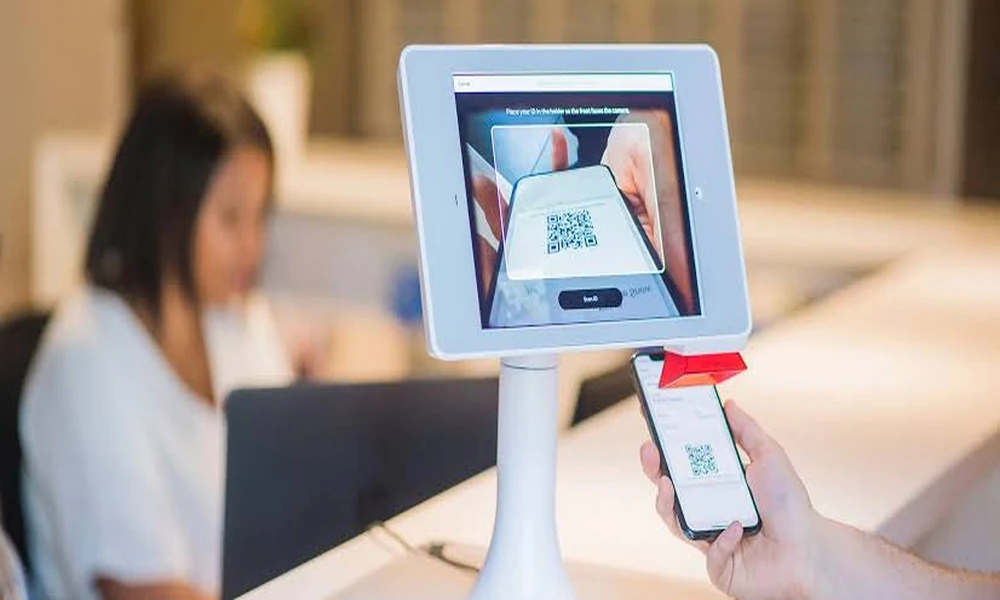
Modern workplaces need organized entry procedures that suit their daily routines. A visitor managment system can help staff manage arrivals with greater order while supporting workplace security needs. Different buildings require different entry practices based on employee numbers, access zones, operating hours, and internal policies. A suitable approach creates clear steps for registration, identification, approval, and departure while keeping daily movement orderly.
Workplace Entry Needs
Each workplace has its own entry pattern shaped by staff numbers and operating schedules. A smaller office may need a simple registration process while a larger facility may require several approval stages.
- Reception areas can support organized arrival procedures during busy periods.
- Restricted sections may require additional approval before entry is permitted.
- Temporary guests can receive clear instructions before entering assigned areas.
- Regular contractors may follow established registration steps for repeated visits.
- Departure records can help maintain accurate daily attendance information.
Access Procedures For Workplaces
Well-planned entry procedures give staff a consistent method for handling arrivals. Identification details can be checked against approved records before access is granted. Different access levels can also match specific workplace zones. This approach supports orderly movement while helping authorized personnel understand who has permission to enter particular areas.
A suitable visitor managment system can organize registration details within one structured process. Reception personnel can record arrival times while relevant staff confirm appointments. Access credentials can be issued according to approved requirements. Departure details can then be updated to maintain an accurate record throughout operating hours.
Identification And Record Keeping
Reliable records help workplaces maintain clear information about daily arrivals. Basic details may include names, arrival times, host information, purpose of entry, and departure records. Keeping these details organized supports quick reference when authorized staff need specific information. Clear records can also improve accountability across different working periods.
Tailored Controls For Departments
Different departments may require separate entry conditions based on their responsibilities. Administrative areas can use standard registration while restricted rooms may require additional approval.
- Reception teams can manage routine arrivals using consistent registration steps.
- Restricted rooms may require approval from designated workplace supervisors.
- Contractors can receive access based upon assigned duties.
- Meeting areas can use host confirmation before entry is authorized.
- Temporary credentials can expire after approved working periods.
Technology Supporting Entry Management
Modern tools can make workplace entry processes more organized without creating complicated routines. Digital records can reduce manual paperwork while allowing authorized staff to retrieve relevant details quickly. Identification tools can support controlled access where greater oversight is required. Automated notifications may also inform responsible personnel when an approved arrival reaches the reception area.
Maintaining Secure Daily Operations
Workplace entry arrangements should remain useful throughout changing schedules and business activities. Regular checks can confirm that approval lists, access permissions, credentials, and records remain current.
- Review entry records regularly for accurate daily workplace information.
- Update approved access lists whenever internal responsibilities change.
- Replace temporary credentials after authorized periods have ended.
- Confirm reception procedures before scheduled high activity periods.
- Review departmental permissions during routine workplace security assessments.
A tailored approach allows each workplace to build entry practices around its actual needs. Clear registration steps can support orderly arrivals while suitable permissions help protect restricted areas. Regular record checks maintain useful information for authorized personnel. Staff training also keeps procedures consistent. Combining practical controls with suitable technology creates an organized method that supports secure workplace operations without adding unnecessary complexity.
FAQ
Why do workplaces need tailored entry management procedures?
Different facilities require controls based on their specific access needs.
What details should workplace entry records normally contain?
Records commonly include identity details, arrival time, host, and departure time.
Can entry controls differ between workplace departments?
Yes, each department can receive permissions matching its assigned responsibilities.