
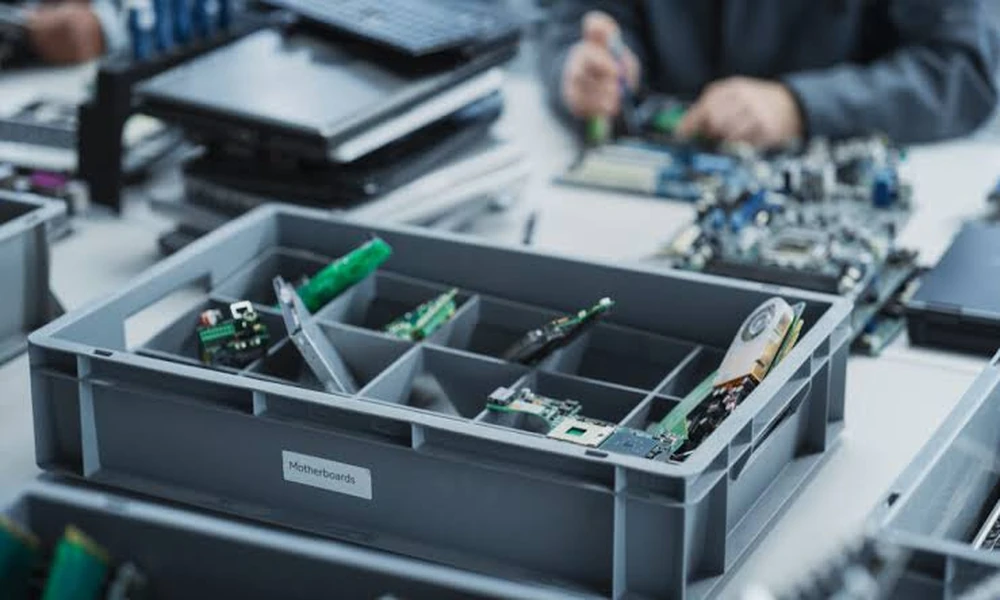
Retired laptops and servers rarely get the same procurement scrutiny businesses apply when buying equipment new, even though the recycler chosen at the end of a device’s life carries genuine data security and environmental compliance risk that can outlast the hardware itself by years. Choosing among it asset recycling companies properly means applying that same level of scrutiny at disposal, not just at purchase, since the consequences of a poor choice at this end are considerably harder to reverse once equipment has already left the building.
What an IT Asset Recycling Company Actually Does
A genuine recycler handles data sanitisation, dismantles equipment for material recovery, and routes hazardous components through properly licensed channels, rather than simply reselling collected equipment onward without any of these intermediate steps actually happening in practice. Understanding this full scope helps a business judge whether a prospective recycler is offering a complete, properly resourced service or only a thin slice of one dressed up to look complete on the surface.
Checking Certifications and Standards
Recognised recycling and data destruction certifications indicate a company has been independently assessed against a defined standard, rather than simply claiming compliance on its own website without any external verification behind that claim at all. Asking for the specific certification name and confirming it directly with the issuing body takes only a few minutes and immediately separates genuine claims from ones that do not hold up under a basic check, which is a surprisingly common outcome once anyone actually looks.
Data Sanitisation Before Recycling
Before any equipment is dismantled for material recovery, storage media should be sanitised or removed for separate destruction, and a recycler unable to describe this step clearly is likely treating data security as an afterthought rather than a core part of the process it actually runs day to day. This gap is worth probing specifically rather than assuming it has been handled simply because the recycler seems generally competent or comes recommended by someone else in the industry.
Environmental Handling of Hazardous Components
Batteries, circuit boards and certain display components contain materials requiring specific handling to avoid environmental harm, and a properly licensed recycler manages this as standard practice rather than treating it as an optional extra requiring an additional fee on top of the basic collection charge. A recycler charging separately for this handling, or omitting it entirely, is cutting a corner that carries real environmental consequence well beyond the immediate cost of the collection itself.
Asking About Downstream Recycling Partners
A recycler rarely handles every material stream entirely in-house, and understanding who its downstream partners actually are clarifies whether the full chain, not just the first step, meets a genuine standard from collection through to final material recovery. Comparing this against hard drive destruction service shows why the data destruction step specifically deserves its own scrutiny within that broader chain of downstream partners and subcontractors.
Reporting and Documentation Provided
A reputable recycler provides documentation confirming what was collected, how it was processed, and where materials ultimately ended up, giving a business a genuine audit trail rather than a vague assurance that everything was handled responsibly somewhere along the way. This documentation becomes the only real evidence a business has if a question ever arises later about a specific piece of retired equipment years down the line.
Pricing Models You’ll Encounter
Some recyclers charge a collection fee, others offer a rebate based on recoverable material or resale value, and understanding which model a specific recycler uses avoids a misleading comparison based on headline price alone without accounting for what that price actually includes or excludes. Two quotes that look similar on the surface can differ considerably once the actual scope of each is properly understood, sometimes by a wide enough margin to change which option genuinely makes sense.
Red Flags in a Recycler’s Process
A recycler vague about certifications, unwilling to describe its data sanitisation process, or reluctant to provide documentation after collection is showing warning signs worth taking seriously regardless of how competitive its pricing looks on paper compared with more transparent competitors in the same market offering similar rates.
Getting References From Existing Clients
Speaking directly with a recycler’s existing business clients, particularly ones of a similar size or industry, surfaces practical detail about reliability and documentation quality that marketing materials alone cannot convey no matter how polished and professional they appear at first glance. Comparing certified it asset disposition itad solutions gives a considerably fuller picture of genuine performance than a certification alone would provide on its own.
Making a Confident Choice
Choosing among IT asset recycling companies comes down to verifying certifications, understanding the full process from sanitisation through to material recovery, and checking references, rather than defaulting to whichever quote arrives first without any further scrutiny. A recycler chosen this way protects both data security and environmental compliance at the same time, rather than trading one off against the other simply to save a small amount on the collection fee.